2026-11-20 ·
Understanding Ventilation Needs for Attics in Humid East Texas
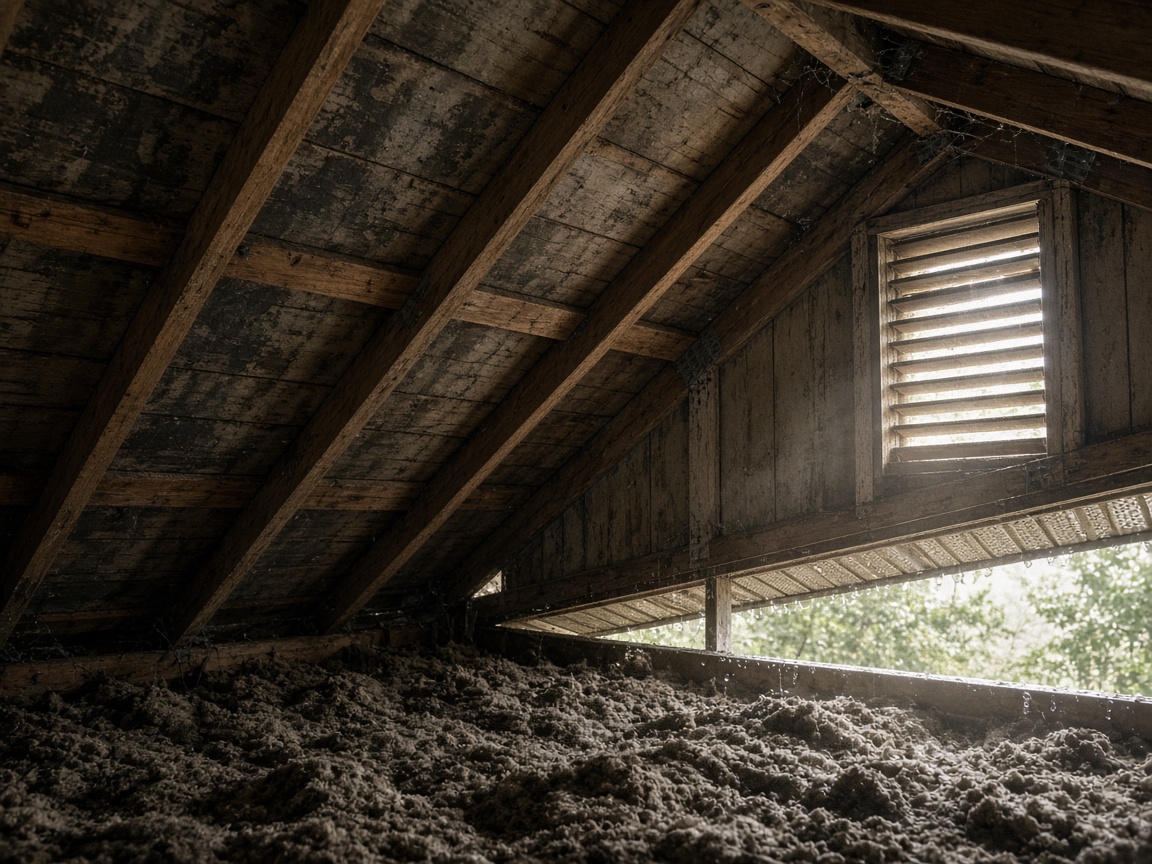
In humid East Texas attics around Linden, target 1 square foot of net free ventilation area for every 150 square feet of attic floor space, split evenly between intake and exhaust vents. This ratio counters the subtropical moisture load that builds during long hot summers and frequent rain events in Cass County.
Why Balanced Ventilation Protects Roofs in Cass County
Linden sits in a region where summer humidity often exceeds 70 percent and temperatures climb above 90 degrees for weeks. Without adequate airflow, attic temperatures can reach 140 degrees, driving moisture through shingles and into decking. Homes near the Cass County Courthouse and older neighborhoods typically feature 1960s–1980s construction with limited original soffit openings. These conditions accelerate wood rot and reduce shingle life when intake air cannot enter low and exit high. Proper ventilation also limits condensation on metal roof decks common in rural Cass County properties. Residents in surrounding Atlanta, Texas, report similar issues after extended humid periods when exhaust fans alone cannot move enough volume.
Calculating Intake and Exhaust for Linden Attics
Measure the attic floor area first, then divide by 150 to determine total net free area needed. For a 1,200-square-foot attic, plan for 8 square feet total—4 square feet intake at the soffits and 4 square feet exhaust at the ridge or gable ends. In neighborhoods with pine and oak cover, clear debris from intake vents every season so airflow remains unobstructed. Use vent chutes between rafters to keep insulation from blocking soffit openings. Local wind patterns often come from the south in summer, so place exhaust vents on the north or east slopes where possible to maintain steady draw. How Local Wind Patterns Affect Roof Fastening in Northeast Texas explains how these same breezes influence fastening choices that work with ventilation upgrades.
Signs Attic Ventilation Falls Short in Humid Conditions
Check for dark streaks on ceiling drywall, musty odors near upstairs closets, or frost on nails during rare winter cold snaps. In Linden homes, warped roof decking or granules collecting in gutters after minimal rain often trace back to trapped attic moisture. Inspect insulation for dark patches indicating condensation cycles. A Roof Inspection can document current vent sizes and placement without requiring immediate repairs. Older homes near Atlanta frequently show blocked soffits from decades of paint buildup or added insulation that seals original openings.
Maintaining Ventilation Through Seasonal Changes
Spring and fall offer the best windows to clear pine needles and oak debris from gutters and valleys so intake air flows freely. Clearing Pine Needles and Oak Debris from Gutters and Valleys details techniques that also protect nearby soffit vents. During peak summer humidity, verify that ridge vents remain unobstructed by heat-softened shingles. Winter brings fewer issues, yet any ice dams forming along eaves signal insufficient exhaust capacity. Re-check vent screens annually for corrosion common in Cass County’s acidic rainfall.
Connecting Ventilation Work to Related Roof Services
Upgrading soffit openings often pairs with fascia repairs when older lumber has softened from repeated moisture exposure. Soffit & Fascia Repair addresses these combined needs without altering the overall roof slope. Homeowners who notice leaks after ventilation changes should review Deciding Between Repair and Full Replacement After Minor Leaks before committing to larger projects. These steps keep attic conditions stable through the humid East Texas climate without unnecessary disruption to daily routines.